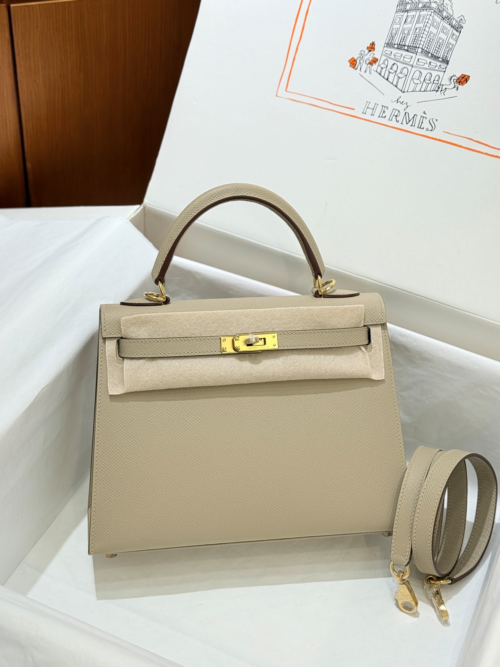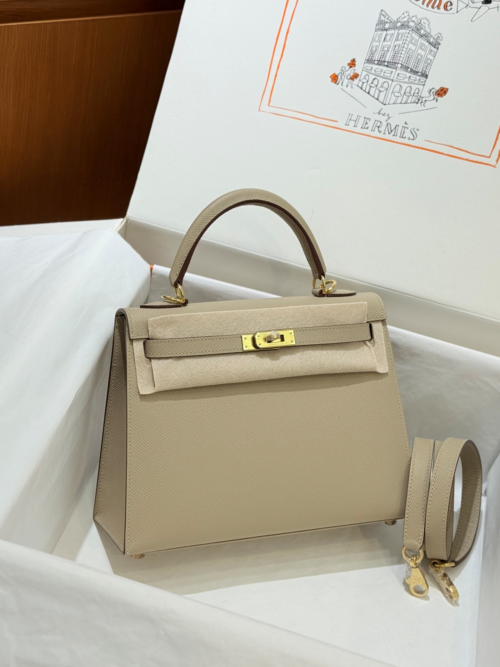

Shopping Replicas Online Is a Skill
You can’t touch the leather through a screen. You can’t weigh the hardware. But you can read between the lines—and you can demand specific proof before you pay. Here’s how to separate AAA quality from the junk that’ll fall apart in three months.
1. Demand Unfiltered QC Photos
Not studio shots. Not catalog images. Ask for the actual bag under natural light, with a handwritten timestamp card in the frame. If the seller refuses or sends pre-made albums, walk away. Good sellers aren’t afraid of scrutiny.
2. Ask About the Factory Name
Top-tier factories have reputations: God Factory for LV canvas, Kata Factory for The Row, 187 Factory for Chanel. If the seller can’t or won’t name the factory, they probably don’t know—or they’re hiding something.
3. Check for These Specific Details
- Hardware weight: Ask the seller to weigh the bag. Authentic hardware is solid brass. Cheap replicas feel hollow. A 25cm bag should feel noticeably heavier than a plastic shopping bag.
- Logo alignment: For monogram bags, the pattern must match at seams. For foil-stamped logos, the depth should be subtle—too deep screams fake, too faint looks cheap.
- Edge glazing: The paint on leather edges should be thin, matte, and even. Thick glossy glazing is the #1 instant call-out on replicas.
4. Read Between Review Lines
Look for reviews that mention long-term wear—”held up after 6 months,” “leather softened beautifully,” “hardware hasn’t chipped.” Anyone can look good on day one. Day 100 is where quality reveals itself.
5. Price Is a Signal
$50 bags use $5 materials. $250-400 bags use imported leather and solid hardware. The math is simple. If a deal looks too good, the bag is too bad.
Bottom Line
You don’t need to be an expert. You just need to be skeptical. Ask questions, demand proof, and remember: the best replica sellers are proud of their product. They want you to inspect it.